Middle East Conflict Reshapes Business Aviation Operations
The ongoing conflict involving Iran is rapidly altering the global operating environment for business aviation, driving airspace restrictions, higher costs, and increased safety scrutiny—impacts now being felt well beyond the Middle East, including among operators and flight departments based in Connecticut.
Airspace Closures Disrupt Global Routing
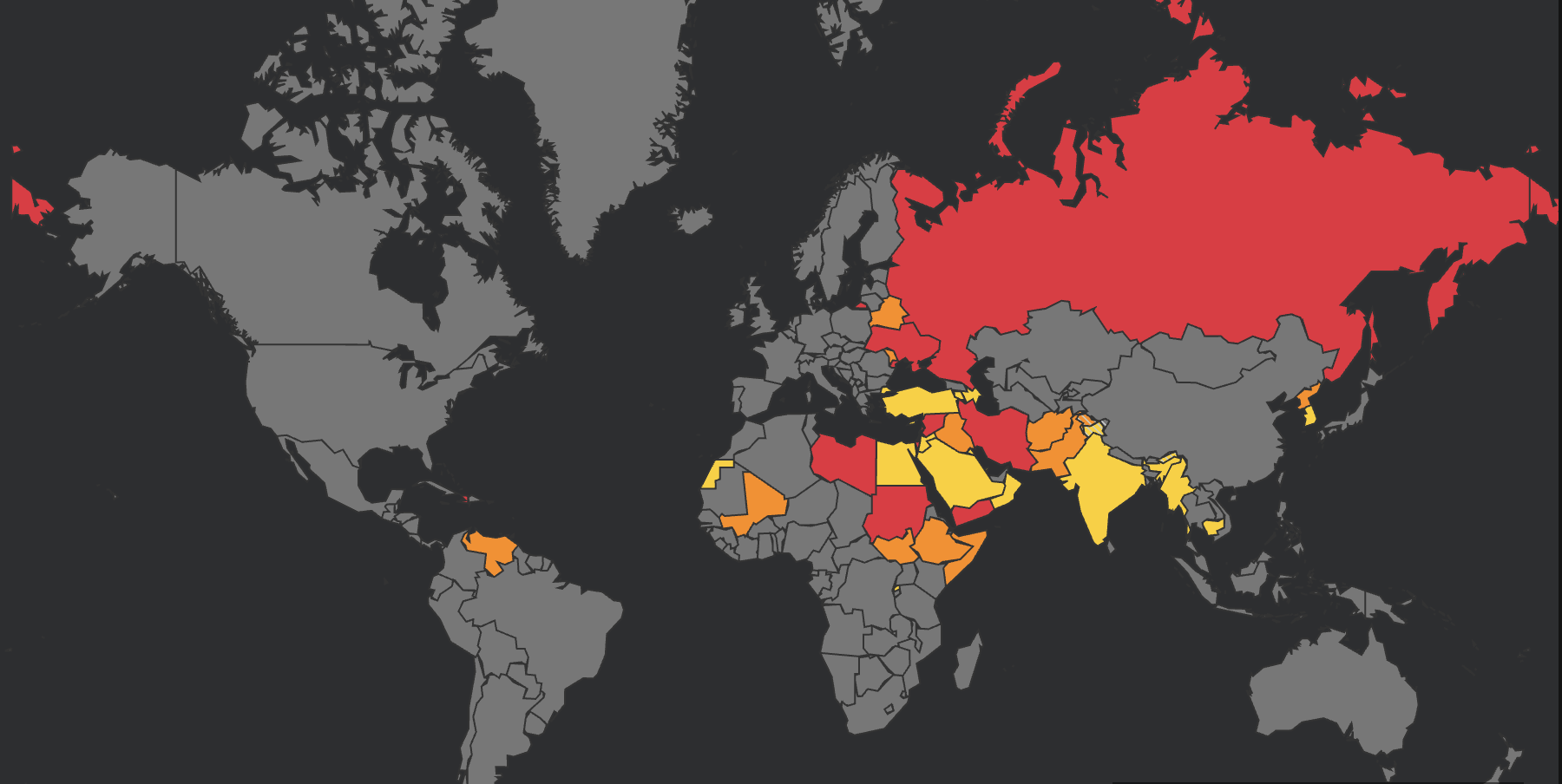
Widespread airspace closures and restrictions across Iran and neighboring regions have removed a key transit corridor linking Europe, Asia, and the Middle East. Operators are increasingly forced to reroute flights north via Central Asia or south through Egypt and Saudi Arabia, adding significant distance and complexity.
The operational consequences are immediate:
Extended flight times and increased fuel burn
Payload and range limitations
Crew duty and rest challenges
For long-range business aircraft, these constraints are reshaping trip feasibility and planning timelines.
Heightened Safety Considerations

The conflict has introduced a volatile risk environment marked by active military operations, missile and drone activity, and rapidly evolving NOTAMs.
As a result, operators are placing greater emphasis on real-time intelligence and risk assessment, relying on third-party providers such as InternationalSOS, internal security teams, and OPSGROUP to inform routing and go/no-go decisions.
Safety departments are increasingly adopting conservative operating postures, particularly for missions near conflict-adjacent airspace.
Insurance Market Tightens
The aviation insurance market has responded quickly, with underwriters reassessing exposure across the region.
Operators are seeing:
Increased premiums
Expanded war risk requirements
Reduced coverage availability in high-risk areas
These changes are not isolated to operators flying into the Middle East; global insurance markets are adjusting broadly, contributing to higher costs across the sector.
Fuel Prices Drive Operating Cost Increases
The conflict has also impacted global energy markets, with disruptions to supply routes contributing to rising oil and jet fuel prices.
For business aviation, this translates into:
Higher direct operating costs
Increased charter pricing
More expensive repositioning and international missions
Even domestic operators are experiencing cost pressure tied to global fuel dynamics.
Connecticut Operators Feel the Impact
While geographically distant, Connecticut remains closely tied to global business aviation activity. The state is home to numerous corporate flight departments, aircraft operators, and aviation professionals supporting multinational companies.
With many of these organizations conducting international operations, the current environment is creating tangible challenges:
More complex international trip planning
Increased operational and administrative workload for schedulers and dispatchers
Mission delays, reroutes, or cancellations
Elevated cost structures impacting budgeting and utilization
The proximity to major Northeast aviation hubs, including the New York metro area, further integrates Connecticut-based operators into the global network affected by these disruptions.
Broader Business Implications
Beyond aviation, the conflict is contributing to broader economic and operational uncertainty for global corporations. Companies with ties to the Middle East are reassessing travel, supply chains, and regional engagement.
Business aviation—often relied upon for flexibility—remains a critical tool, but one now operating under heightened constraints.
An Evolving Operating Environment
As the situation develops, business aviation operators are adapting to a more complex and risk-sensitive global landscape.
Key trends include:
Increased reliance on real-time safety intelligence
More conservative operational decision-making
Rising sensitivity to cost and efficiency
For operators in Connecticut and across the U.S., the conflict underscores the interconnected nature of global aviation—where distant geopolitical events can quickly translate into local operational realities.