What to Watch for in 2026: CT BizAv Trends, Tech & Talent
By John Gabriel
As we step into 2026, business aviation isn’t remaining static — it’s evolving in ways that matter both nationally and right here in Connecticut. Industry data shows that flight activity and aircraft utilization are expected to grow again this year, suggesting sustained demand for the flexibility, efficiency, and connectivity that business aviation uniquely delivers. This is a shift from reactive pandemic recovery to strategic, long-term mobility planning across corporate, charter, and private aviation sectors.

According to Honeywell, “Business jet demand is on track for nearly 5% year-over-year growth in 2026,” citing recent business jet orders, YOY passenger data and utilization forecasts — an indicator that demand remains resilient even as travel patterns stabilize.
Workforce trends broadly continue to show high demand for pilots, maintenance technicians, and aviation operations professionals, even as hiring becomes more deliberate and focused on retention and skill depth. “Pilots, cabin crew, maintenance and operations professionals will shape performance, reliability and growth in 2026,” according to one 2026 workforce forecast, which echoes Boeing’s long-term forecast.
While global trends shape much of aviation’s landscape, Connecticut continues to take part in the industry momentum. A new flight training facility at Danbury Municipal Airport is opening this year, bringing expanded access to flight instruction and career pathways to local students and future business aviaition pilots. The expanded access to training also strengthens both workforce development and the regional economy by building a pipeline of aviation professionals right here in Connecticut.
The local economic backdrop also supports aviation growth. Connecticut posted strong GDP gains through much of 2025, ranking among the top states nationwide — a signal that broader industry strength and advanced manufacturing are helping anchor the state’s economy.
Technology isn’t just a buzzword in 2026 — it’s a core reality. Advanced avionics with real-time weather integration, AI-enhanced flight planning, and risk-aware decision making tools are increasingly being developed, which will give operators an edge in safety, efficiency, and responsiveness. AI-driven air traffic management and digital identity systems are also being developed as part of the NextGen ATC 2.0 movement. These enhancements will redefine how airports and airspace integrate as network efficiency opens the opportunity for increased capacity.
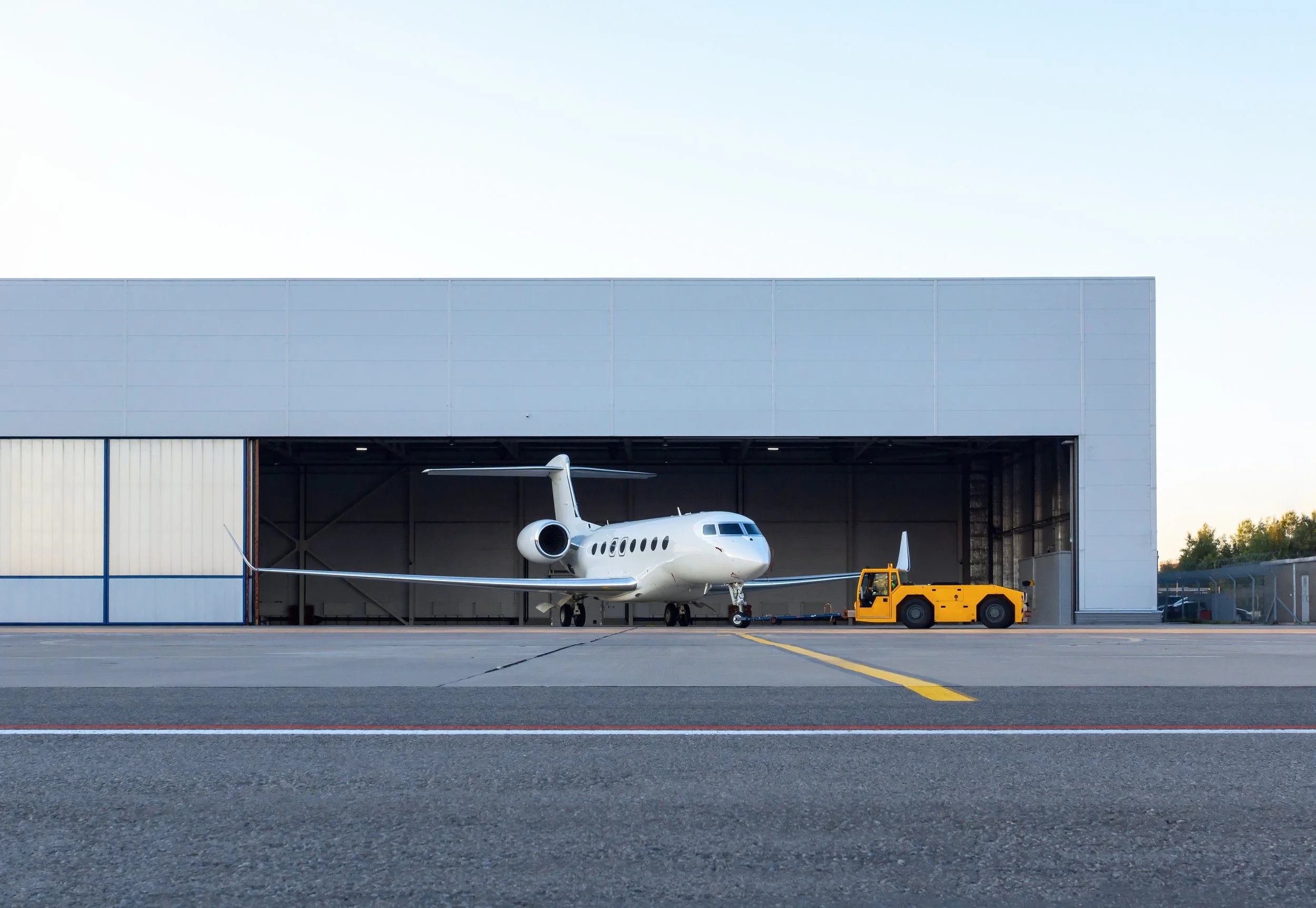
Connecticut’s airports themselves are poised for growth and are beginning to grasp the trend of modernization. Plans under consideration for new business jet hangars at Sikorsky Memorial Airport highlight ongoing interest in expanding general and business aviation infrastructure. Data from recent hangar expansion at Oxford Airport prove that increased capacity in the Connecticut’s hangar market successfully support local operators and transient business aircraft.
These broader trends — utilization growth, workforce dynamics, tech adoption, and local economic momentum — point to a business aviation ecosystem that’s finally maturing after recovering from the chaotic pandemic and volitile post-pandemic eras. Taken together, these developments suggest that 2026 will be less about weathering disruption and more about shaping what comes next — from advanced training and workforce development to smarter technology adoption and meaningful infrastructure investment. For professionals on the ground, the key to success will be staying informed, connected, and ready to lead as opportunities take flight.